INAFSM Conference 2026
Wessler Engineering is proud to join stormwater and floodplain professionals at INAFSM 2026. We look forward to connecting with you to talk floodplain management, stormwater solutions and building more resilient communities across Indiana.
We proudly to serve communities throughout Indiana and Ohio by providing environmental consulting services. We offer services for Municipal Separate Storm Sewer Systems, Pretreatment Programs, Environmental Permitting, Wellhead Protection Plans, Construction Stormwater Inspections, and more.
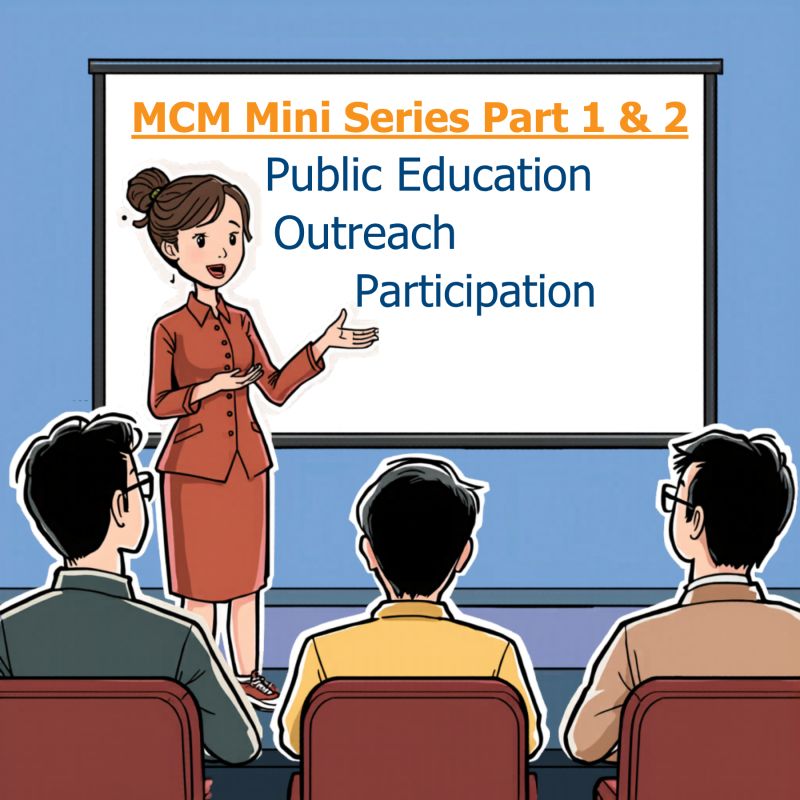
MCMs 1&2 –Public Education, Outreach, and Participation
- MCMs 1&2 require MS4s to educate and encourage participation from residents, businesses, industries, and construction contractors concerning stormwater quality, quantity, and pollution prevention.
- You may see your MS4 coordinator at Council meetings providing updates to local citizens, or you might attend a presentation hosted by the MS4. Your local MS4 may maintain a public website and/or make social media posts about relevant stormwater topics.
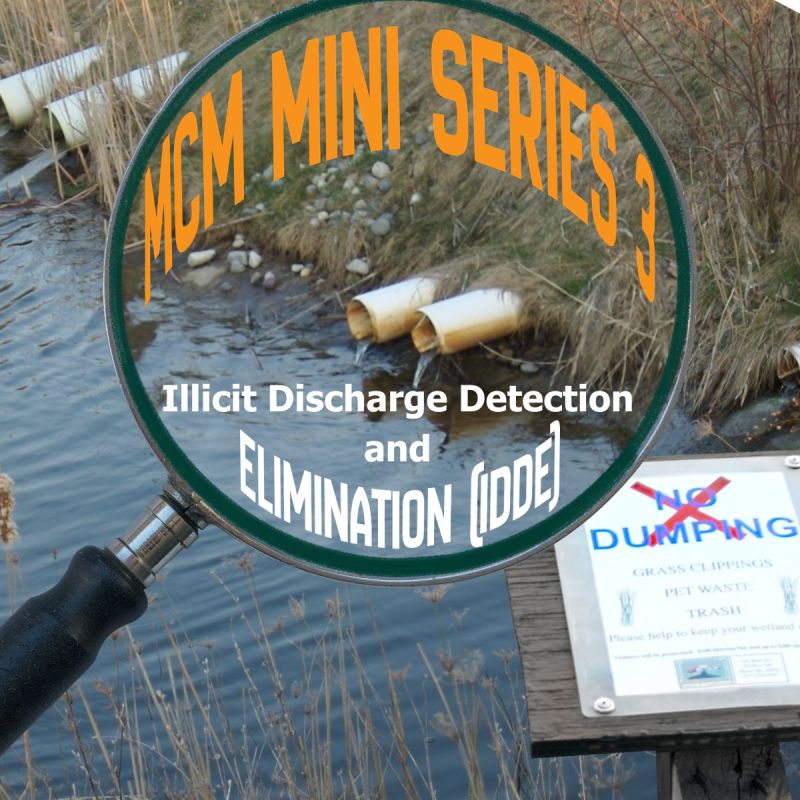
MCM 3 – Illicit Discharge Detection and Elimination (IDDE)
- MCM 3 requires MS4s to develop, implement, and enforce a program focused on detection and elimination of illicit or illegal stormwater discharges. An illicit discharge is anything entering a storm drainage system that is not composed entirely of stormwater (e.g., vehicle fluids, paint, soap, hazardous chemicals, sediment, grass clippings, etc.).
- Identifying and responding to illicit discharges is one of the many responsibilities of an MS4. Your MS4 may maintain illicit discharge reports and/or maps showing regulated outfalls, our points where stormwater enters waterways. If you encounter evidence of illicit discharges, such as unusual odors, colorful oil-like sheens or cloudy/discolored water, contact your local MS4 to help protect your local waterways and waterbodies.
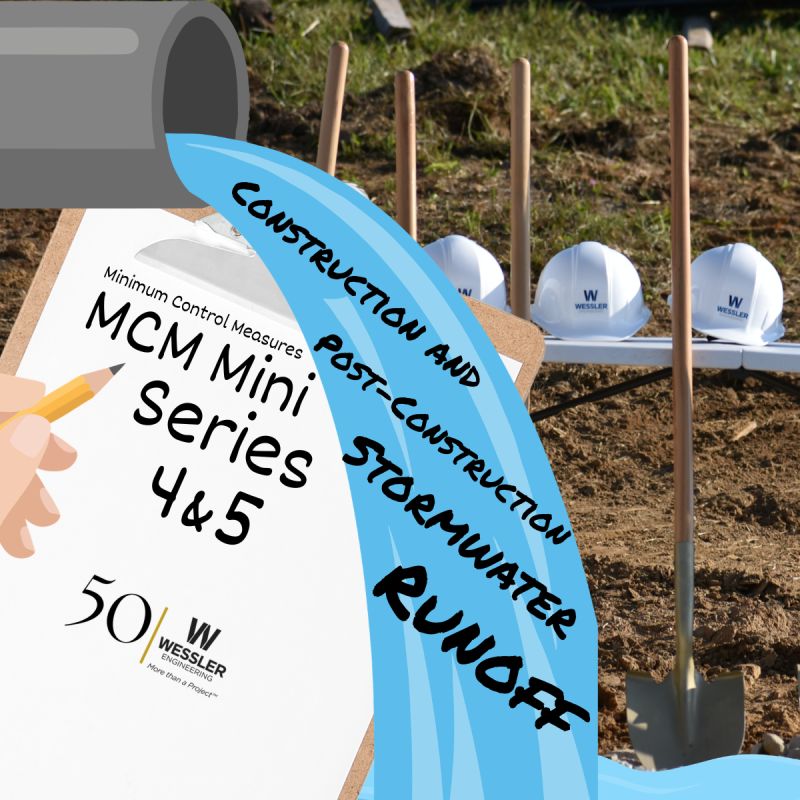
MCMs 4&5 – Construction and Post-Construction Stormwater Runoff
- MCM 4 requires MS4s to develop, implement and enforce erosion and sediment control measures for construction Projects. MCM 5 requires MS4s to develop, implement a program to address the quality of stormwater runoff from newly developed areas. Together, MCMs 4&5 work to reduce the impact of development, during and after construction.
- Your MS4 monitors construction projects from beginning to end, and after, to make sure that the proper erosion and sediment control and pollution prevention measures are being used and maintained properly. You may notice MS4 personnel conducting inspections of construction sites and post-construction measures, such as ponds, within your neighborhood to ensure they are functioning properly and are maintained as intended.
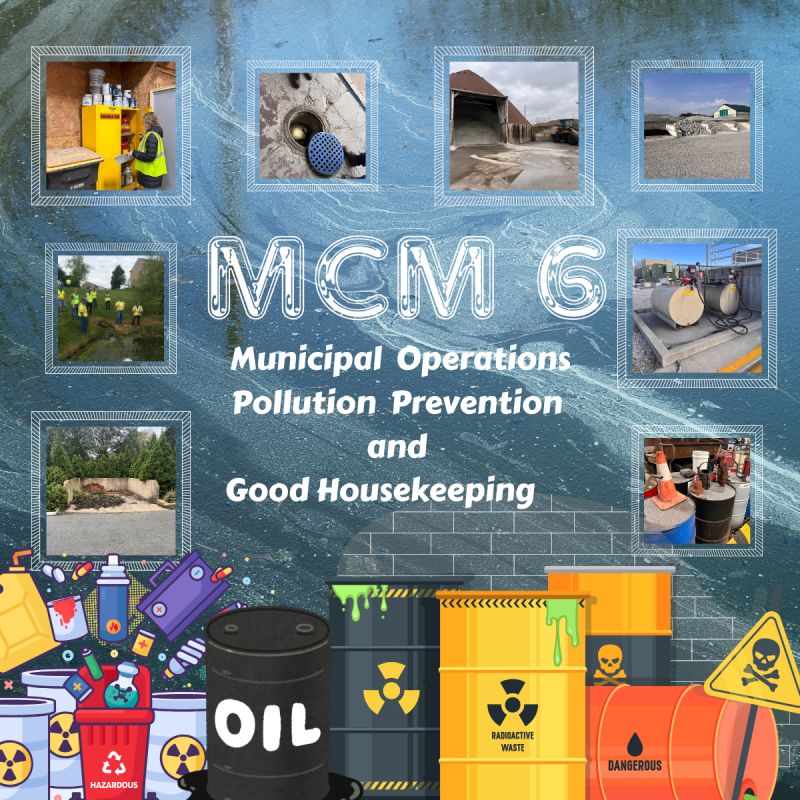
MCM 6 – Municipal Operations Pollution Prevention and Good Housekeeping
- MCM 6 requires MS4s to address stormwater pollution within their own municipal operations. Municipal operations, such as salt management in the winter and street sweeping in the summer are closely tracked to ensure that communities are minimizing threats to stormwater as much as possible.
- MCM 6 also encompasses infrastructure upkeep and maintenance. You may notice MS4 personnel completing routine stormwater pollution prevention activities like catch basin cleaning and other storm sewer maintenance. Your MS4 is also responsible for monitoring their own facilities to ensure effective stormwater pollution prevention practices are being implemented.
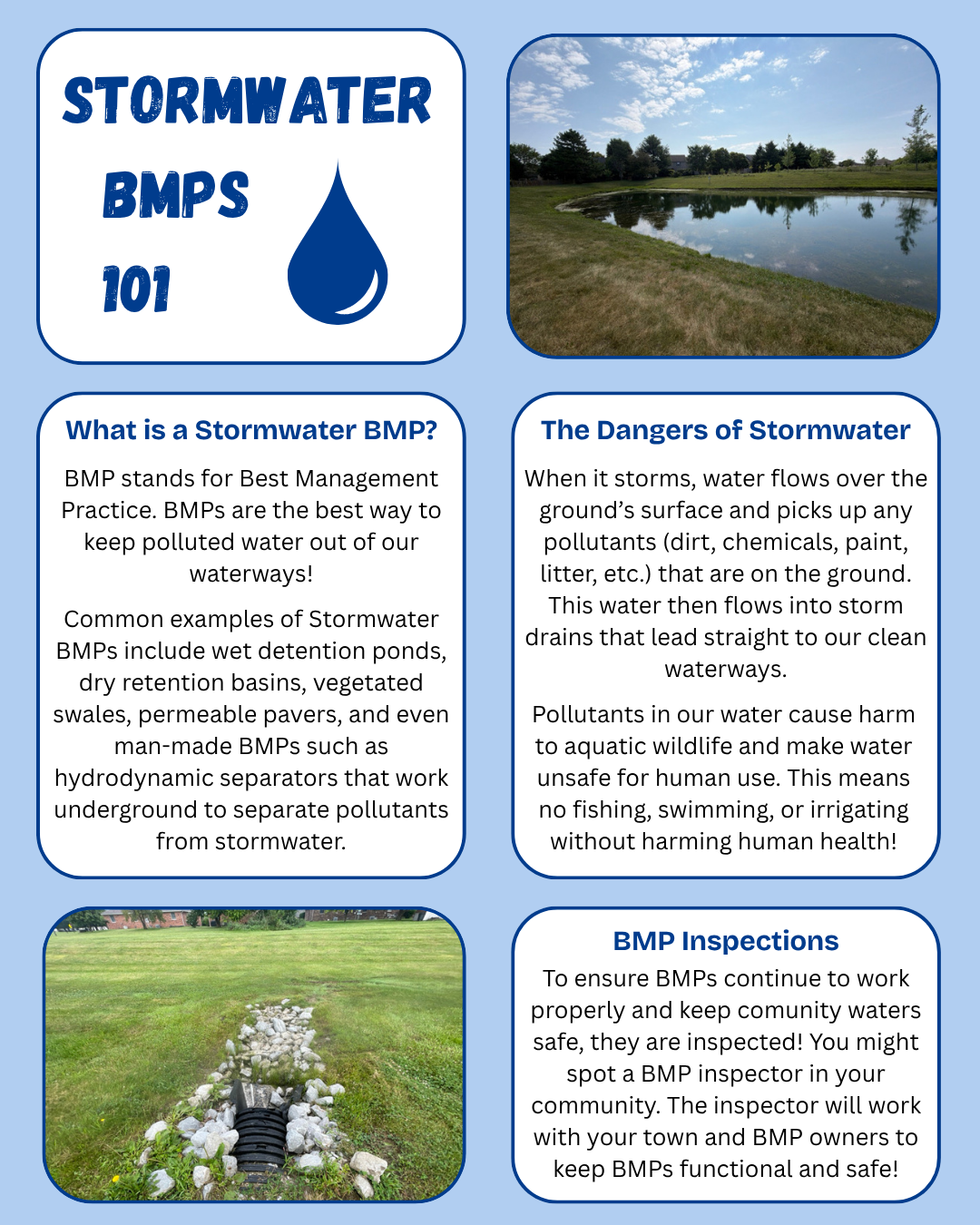
What is a Stormwater BMP?
- BMP stands for Best Management Practice. BMPs are the best way to keep polluted water out of our waterways! When it storms, water flows over the ground’s surface and picks up any pollutants (dirt, chemicals, paint, litter, etc.) that are on the ground. This water then flows into storm drains that lead straight to our clean waterways. Stormwater BMPs stop this stormwater before it flows into our clean water!
- Common examples of Stormwater BMPs include wet detention ponds, dry retention basins, vegetated swales, permeable pavers, and manmade BMPs such as hydrodynamic separators that work underground to separate pollutants from stormwater. Next time you see a pond or swale in your community, think about the role it might play in keeping our waterways clean and safe!
Environmental Services
Environmental missteps delay projects, trigger fines, and erode public trust. Wessler’s clients face a tangle of evolving regulations, permit deadlines, erosion concerns, and staff training gaps with little room for error.
That’s where we step in.
We don’t just write plans, we solve problems before they escalate. Our team helps clients meet MS4, pretreatment, NPDES, SPCC and SWPPP requirements. We also secure construction permits, pass inspections, and train staff on environmental impacts.
From erosion control to annual compliance reporting, we translate technical requirements into clear, actionable strategies. We identify hidden risks early, keep projects moving, and protect resources with tailored support.
Whether you’re starting a program or up against a deadline, Wessler delivers calm, confident environmental compliance—on time and on point.
Our Environmental Services team assists on nearly every design and construction project Wessler undertakes and collectively holds the following licenses and certifications:
- Certified Erosion, Sediment and Stormwater Inspector (CESSWI)
- Certified Floodplain Manager (CFM)
- Certified Hazardous Material Manager (CHMM)
- Certified Professional in Erosion and Sediment Control (CPESC)
- Certified Water Loss Audit Validator
- INDOT Certified Technician Program, Construction Procedures Level 2
- Leadership in Energy and Environmental Design (LEED)
- Licensed Professional Engineer (PE)
- Registered Pretreatment Coordinator (RPC)
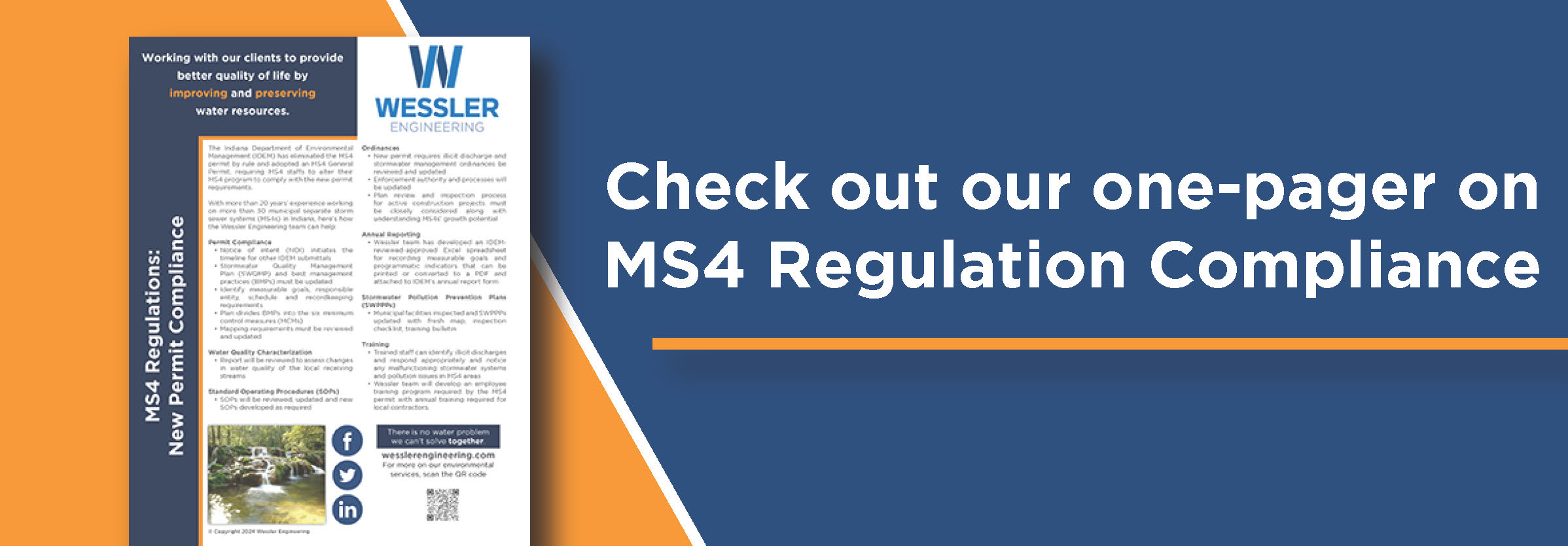
Click HERE to learn more.
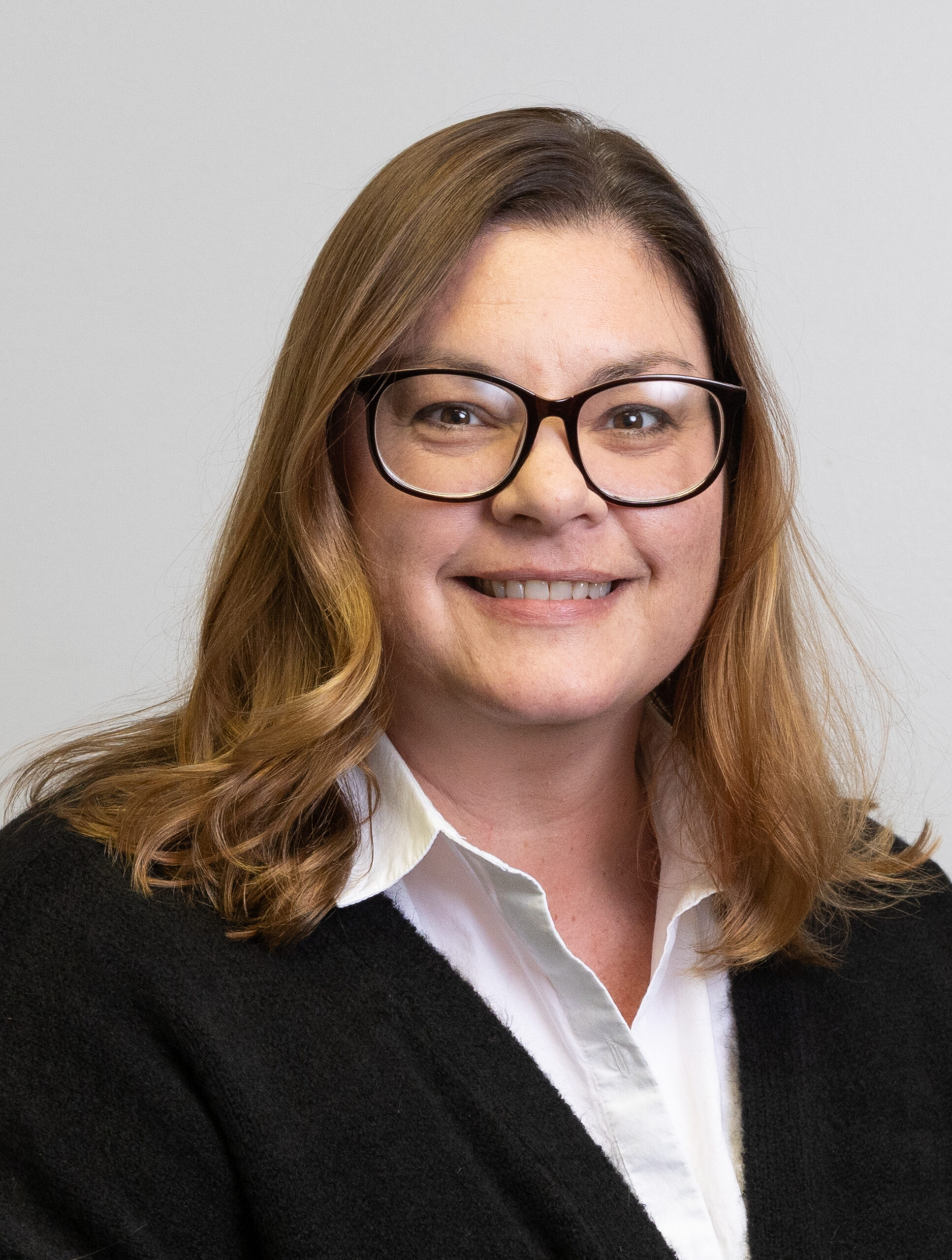
Amy Harvell, CHMM, RPC
Stormwater Management
When stormwater systems fail, the results are costly—flooded streets, damaged property, health and safety concerns, and public frustration. Communities across the Midwest face mounting pressure to address outdated infrastructure, regulatory compliance, and climate-driven increases in rainfall intensity and frequency.
That’s where we step in, not just with designs, but with preparedness plans and long-term solutions.
We help identify and fix root issues: undersized sewers, aging culverts, eroded ditches, and inadequate detention.
We listen, investigate, and implement cost-effective, future-ready solutions. Whether it’s a chronic flooding issue or planning for future growth, we help communities go from reactive response to proactive resilience.
Let’s solve the stormwater issues facing your community—before the next storm hits.
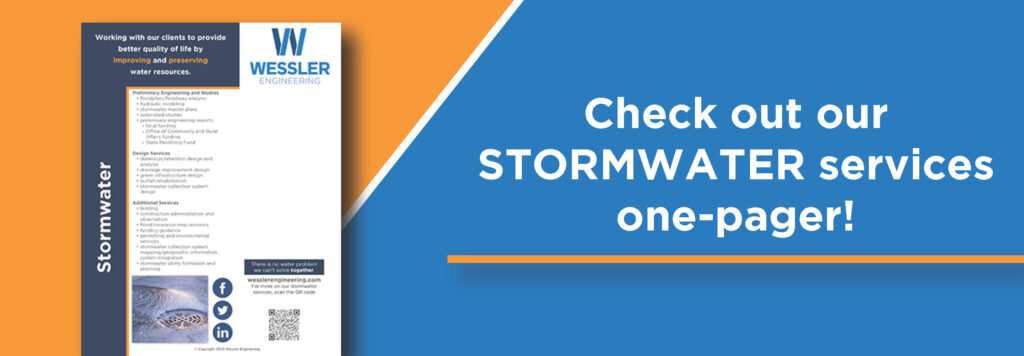
Click HERE to learn more.